The short version
A simple wildlife job in Everett often costs a few hundred dollars. Sealing, repairs and attic cleanup add more.
- Babies can add work.
- Attic cleanup is often extra.
- Metal sealing keeps animals out.
- Compare what each quote includes.
Anyone in Everett dealing with wild animals around the house.
What to look for
Around Everett, the usual animals are raccoons, squirrels, opossums, skunks and bats. Each one gets in differently and needs a different fix. Babies are usually born from about March through June. Never handle a wild animal.
- 1Scratching or thumping in the attic.
- 2Torn vents, soffits or shingles.
- 3A musky or skunky smell.
- 4Dug holes under decks or sheds.
- 5Trash bins knocked over.
- 6Droppings on decks or in the attic.
Why it’s worth acting soon
- Chewed wires and damaged insulation.
- Droppings that can spread disease.
- Babies make removal harder.
- Rabies risk from bites.
🧮
Estimate wildlife removal cost in Everett
Adjust for your situation to see a ballpark range.
Estimated range
A rough guide only. Repairs and attic cleanup can cost more.
Treatment options and typical costs
Inspection and Species Identification
$100–$300
The inspection is the cheapest step, and it prevents mistakes. Ask for entry-point photos and a written, ordered plan.
- Time
- 60–120 minutes
- Best for
- Every job; the species decides the method
Humane Live Trapping and Removal
$150–$500 per animal, plus trip fees
Traps go near the entry and get checked daily. Ask what happens to the animal afterward.
- Time
- Several days to two weeks
- Best for
- Animals already inside or denning under structures
Exclusion Repairs (Chimney Caps, Vent Screens, Foundation Mesh)
$300–$2,500+ depending on scope
A full exclusion seals every opening an animal could use. The provider should list what was sealed and where.
- Time
- Half a day to two days
- Best for
- Sealing the home after animals are out
One-Way Doors and Eviction
$200–$600
For bird problems in Everett, netting or one-way flaps let starlings and sparrows out of a vent or attic space before the opening is screened. The birds move to a nearby tree; the vent gets covered.
- Time
- 3–7 days
- Best for
- Squirrels, raccoons, and birds using a single main entry
Prices are typical published ranges. Ask what’s included before you compare quotes.
 Crawl spaces are a favorite den. Check the vent screens and the access door.
What wildlife removal costs in Everett.
- One-Way Doors and Eviction: $200–$600 - A typical home in Everett is worth around $570k, and attic damage costs far more than sealing a gap. Babies arrive from about March through June around Everett, which can add work. - Inspection and Species Identification: $100–$300 - Humane Live Trapping and Removal: $150–$500 per animal, plus trip fees - Exclusion Repairs (Chimney Caps, Vent Screens, Foundation Mesh): $300–$2,500+ depending on scope
Local wildlife conditions in Everett.
Across Everett, the area is mostly urban, so wildlife pressure can differ from one block to the next depending on how tight the entry points are and how much food, water, or shelter is close by. An inspection in Everett usually starts outside and works inward, checking the foundation, gaps around doors and windows, and any moisture or clutter near the structure first. Knowing Everett's seasonal timing lets you schedule treatment before the busy stretch rather than after it, which usually means faster service and a more accurate quote. A provider who works Everett and Washington every day can point out the specific conditions that matter most here, and getting the scope, price, and follow-up terms in writing makes it easier to compare options. Everett sits in a marine west coast climate, and that sets the pace for wildlife activity here: spring denning and fall (animals seek winter shelter).
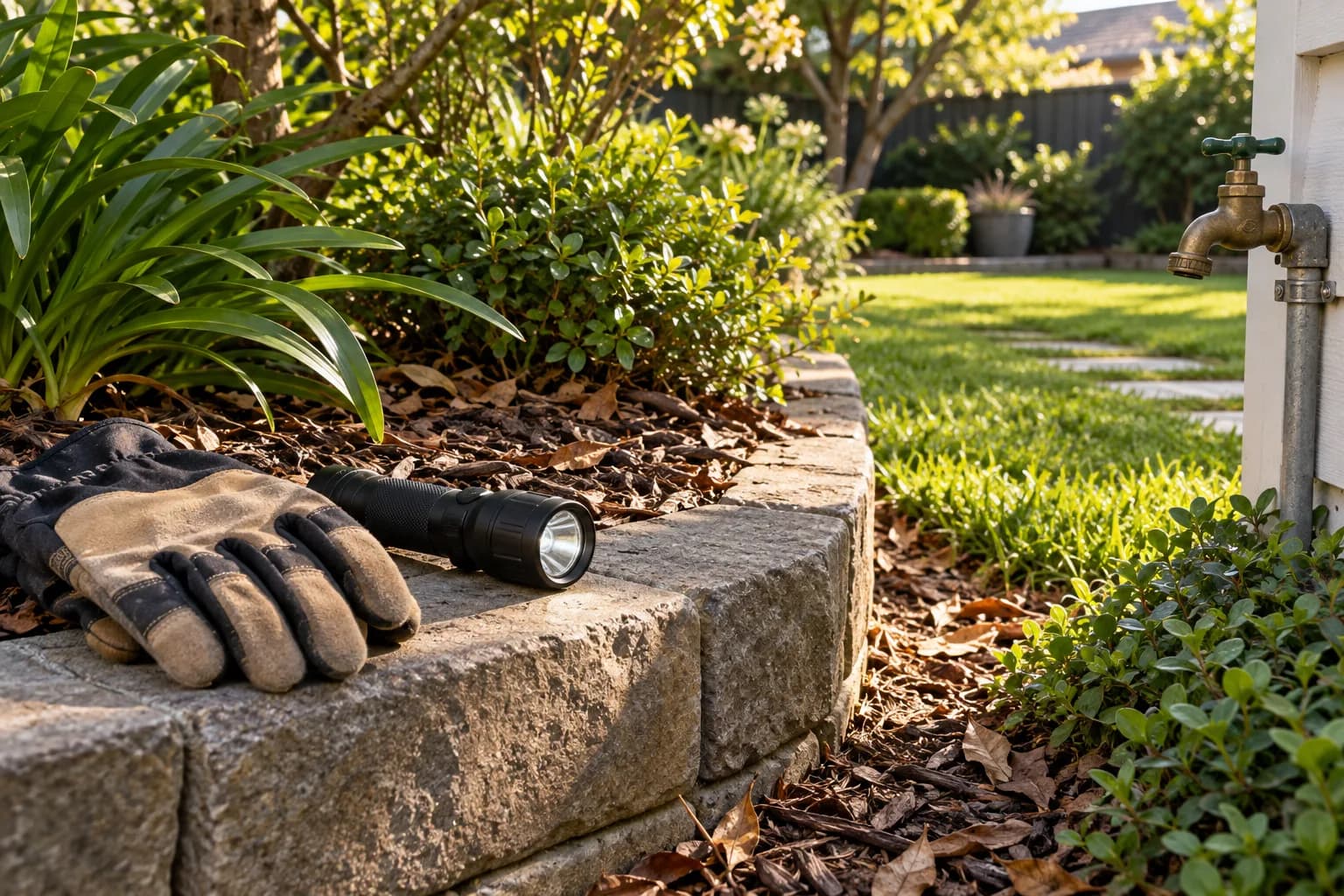 Brush, mulch and fallen fruit near the house give animals cover and food. Keep the edges tidy.
Animals around Everett.
Around Everett, the most common animals are raccoons, squirrels, opossums, skunks and bats. Homes from Everett out to Kirkland and Redmond see much the same mix.
What’s that noise?
- A strong smell under the deck: skunks. - Quick scurrying at dawn and dusk: squirrels. - Heavy thumps at night: raccoons. - Rustling at dusk at the roof edge: bats.
Baby season.
Mothers look for warm, dry spots like attics and chimneys. Never seal a hole while babies are still inside. Bat exclusion waits until pups can fly, usually by mid-August. Around Everett, most babies are born from about March through June.
A year of wildlife in Everett.
- Winter: mild in Everett, so animals stay active. - Spring: babies are born from about March through June. Don't seal while young are inside. - Summer: highs near 74°F in Everett. Animals roam at night. - Fall: animals hunt for winter dens. Seal gaps now.
Raccoons.
They tear open vents and roof edges. Never handle one. Heavy thumps at night usually mean a raccoon.
Tree squirrels.
Squirrels are busy at dawn and dusk. They chew small gaps into bigger holes, and wires too.
Opossums.
Opossums are quiet, slow and mostly harmless. They move into crawl spaces and under decks.
Skunks.
Skunks den under decks, sheds and porches. A strong smell after dark is the giveaway.
Bats.
Bats slip through gaps as small as a thumb. Look for droppings under a gap at the roofline.
Getting them out the right way.
- Recheck: make sure nothing is trying to get back in. - Identify: figure out which animal it is. - Check: look for babies first. - Door: a one-way door lets the animal leave. - Seal: heavy metal mesh on every gap.
Where animals get in.
- Under decks, porches and sheds. - Roof vents and soffit corners. - Gaps where the roof meets the wall. - Uncapped chimneys. - Crawl-space doors and foundation vents.
If an animal gets inside the house.
Open an outside door or window in that room, then leave. Keep kids and pets away. Is it a bat, and was someone asleep there? Call your health department first. Close interior doors so it stays in one room.
Droppings and cleanup.
- Large attic messes are a job for pros. - Don’t sweep or vacuum droppings dry. - Wear gloves, a mask and old clothes. - Wet droppings down, then bag them.
Keeping your yard less inviting.
- Cover: clear brush and wood piles near the house. - Trash: locking lids, or keep bins in the garage. - Pets: feed them indoors. - Birds: use a seed tray, and sweep up spills. - Fruit: pick up what falls.
Wildlife myths.
- Lights and radios work: only briefly. - Out in daylight means rabid: not always; mothers forage by day. - Moving them is kind: often illegal, and babies get left. - Mothballs drive them out: they don’t, and they’re a health hazard.
Birds in vents and chimneys.
Most native birds are protected while nesting. Wait until the young have flown. Then fit a vent cover that still lets air out. Starlings and sparrows love dryer and bath vents.
If an animal seems sick.
Keep people and pets inside. animal control or your local health department. Don't try to trap or touch it. Staggering, circling or acting unafraid can mean illness.
Pets and wildlife.
Bring pets in at night. your vet if your pet tangles with a wild animal. Keep pets' rabies shots up to date.
What a wildlife visit looks like.
They look for tracks, droppings and torn vents. They set a one-way door or trap. Later, they come back and seal up. Cleanup comes last. The tech walks the roofline and the foundation.
If a skunk sprays.
- Under the house: air it out; the smell fades over days. - People and pets: wash with peroxide, baking soda and dish soap. - Tomato juice: it doesn’t really work. - Eyes: keep the mix out; rinse with cool water. - Clothes: wash with baking soda added to the load.
Babies found alone.
Leave them be and watch from a distance for a day. Hurt or clearly orphaned? Call a wildlife rehabilitator. Baby animals alone are often just waiting for a parent.
Fencing that works.
- Gates: keep gaps underneath to a couple of inches. - Diggers: bury wire mesh a foot down, bent outward. - Climbers: an electric wire near the top stops raccoons. - Gardens: hardware cloth beats chicken wire.
Questions to ask before you sign.
- Is cleanup included? - Which animal is it? - Where is it getting in? - How will you handle babies? - What happens to the animal? - What will you seal with?
Ways to keep the cost down.
- Call before baby season. - Secure trash and pet food yourself. - Cap the chimney and screen vents early.
What affects the price
- Trip fees for daily trap checks over multiple days.
- Follow-up visits included in the quoted price.
- Number of entry points that must be sealed.
- Roof height and pitch affecting ladder or lift needs.
- Damage to ductwork, wiring, or vents needing repair.
- Warranty length on exclusion work and sealed points.
- Permit, relocation, or disposal rules in your state.
- Presence of a raccoon latrine requiring special cleanup.
📊
What matters most in a wildlife quote?
When to call for help
Babies and droppings need careful handling. right away if one acts sick or aggressive. Call if an animal is in the attic, walls or chimney.
What you can do yourself
Secure trash, bring in pet food and trim branches. Getting an animal out of the house is a pro's job. Never corner or handle one.
Wildlife in Everett
Winter lows near 35°F in Everett slow animals down, but don't stop them. In Washington, bats are the animal most often found with rabies. Across Everett, animals live comfortably in town, using alleys, storm drains and older buildings. Everett has a marine west coast climate, and wildlife activity here tends to follow spring denning and fall (animals seek winter shelter). An inspection in Everett that starts outside and works inward usually finds the entry points, moisture, and shelter that matter most before anyone treats.
Local research
Wildlife in Everett, WA: what the public record shows
Before you compare quotes, it helps to know which wildlife actually live in Washington, when they are busiest around Everett, and what the state figures look like. Everything below links to the agency or university page it came from.
Old World rats
Native wildlife such as bats and native squirrels are protected.
WDFWNuisance Wildlife species recorded in Washington
- Raccoon (Procyon lotor) — Top terrestrial rabies vector in the East; relocation banned in most states.
- Big brown bat (Eptesicus fuscus) — Most common building bat; protected with maternity-season exclusion limits.
When wildlife are busiest around Everett
Spring litters; fall den-seeking. Pacific Northwest: bats are the only rabies carrier; raccoon and squirrel conflicts are structural.
Based on Everett’s marine west coast climate profile.
Rules that apply in Washington
For context, nationally
- Around 4,000; more than 90% in wildlife — Animal rabies cases reported per year. CDC
- More than 20% each — Skunks and foxes that expose people or pets and are rabid. CDC
Sources: Washington State Department of Health; WDFW; Rabies in the United States: Protecting Public Health; Impacted Bats. Figures are quoted as the source prints them. How we check our sources
Simple ways to keep wildlife away
- Use locking or strapped trash lids.
- Bring pet food in at night.
- Cap the chimney.
- Trim branches back from the roof.
- Bury wire mesh around decks and sheds.
- Pick up fallen fruit and spilled bird seed.
 Metal mesh keeps animals out of vents for good. Foam and light screen won't hold.
Did you know?
Opossums play dead involuntarily; the response is a fainting reflex
A gray squirrel can rotate its ankles to descend headfirst
Questions people ask
Can I save money by doing part of the job myself?
Yes.
How much do exclusion repairs cost?
It depends on how many gaps need sealing. A few hundred dollars is common.
What does attic cleanup cost?
It depends on how much insulation is soiled. Big jobs can run into the thousands.
Is wildlife control more expensive than pest control?
Usually, because it involves several visits and repairs.
Does homeowners insurance cover wildlife damage?
Sometimes, for sudden damage. Gradual chewing often isn't covered. Ask your insurer.
What animal is in my attic?
Quick scurrying at dawn: squirrels. Rustling at dusk: bats.
Are bird nests protected?
Most native bird nests are protected by federal law. Starlings, house sparrows and pigeons aren't.
How common are nuisance wildlife problems around suburban homes?
Across Everett, nuisance wildlife is usually removed by trapping, then the entry points are sealed so the next animal cannot move into the same spot. Across Everett, because many animals are protected by state rules, removal has to be done legally, and a written plan should spell out removal, exclusion, and cleanup.
Which animals are most common around Everett?
Mostly raccoons, squirrels, opossums, skunks and bats.
When are wild animal babies born in Everett?
Usually from about March through June. Don't seal a hole while babies are inside.
Nearby cities
Related guides
Sources (9)
The facts in this article come from the public sources listed above. Every home is different, so ask the company you talk to about pricing and what’s included. Published by Wildlife Exterminator · Updated September 11, 2026 · How we write these guides