Around Massachusetts
Conditions vary across the state. Choose your city below, then describe what’s happening around your home or business.
Local wildlife information
Learn what to look for around your property, explore your city, and ask about an inspection or a quote.
Conditions vary across the state. Choose your city below, then describe what’s happening around your home or business.
Where you see wildlife, how long it has been going on, and anything you’ve already tried are the most useful details to mention.
Ask about an inspection, what treatment would involve, and whether follow-up visits are included. You don’t need to identify the problem yourself before getting in touch.
Before you compare quotes, it helps to know which wildlife actually live in Massachusetts, when they are busiest, and what the state figures look like. Everything below links to the agency or university page it came from.
MassWildlife states that state law prohibits capturing wildlife and relocating it off your property.
MassWildlife (Massachusetts Division of Fisheries and Wildlife)Those are the only two lawful outcomes, and they apply to licensed Problem Animal Control agents as well as homeowners.
MassWildlife (Massachusetts Division of Fisheries and Wildlife)Problem Animal Control (PAC) agents are licensed by MassWildlife, are not state employees and charge for their services.
Sources: MassWildlife (Massachusetts Division of Fisheries and Wildlife); Rabies in the United States: Protecting Public Health; Class A (commercial) Nuisance Wildlife Control Permit study packet (17 Ill. Adm. Code 525); Impacted Bats. Figures are quoted as the source prints them. How we check our sources
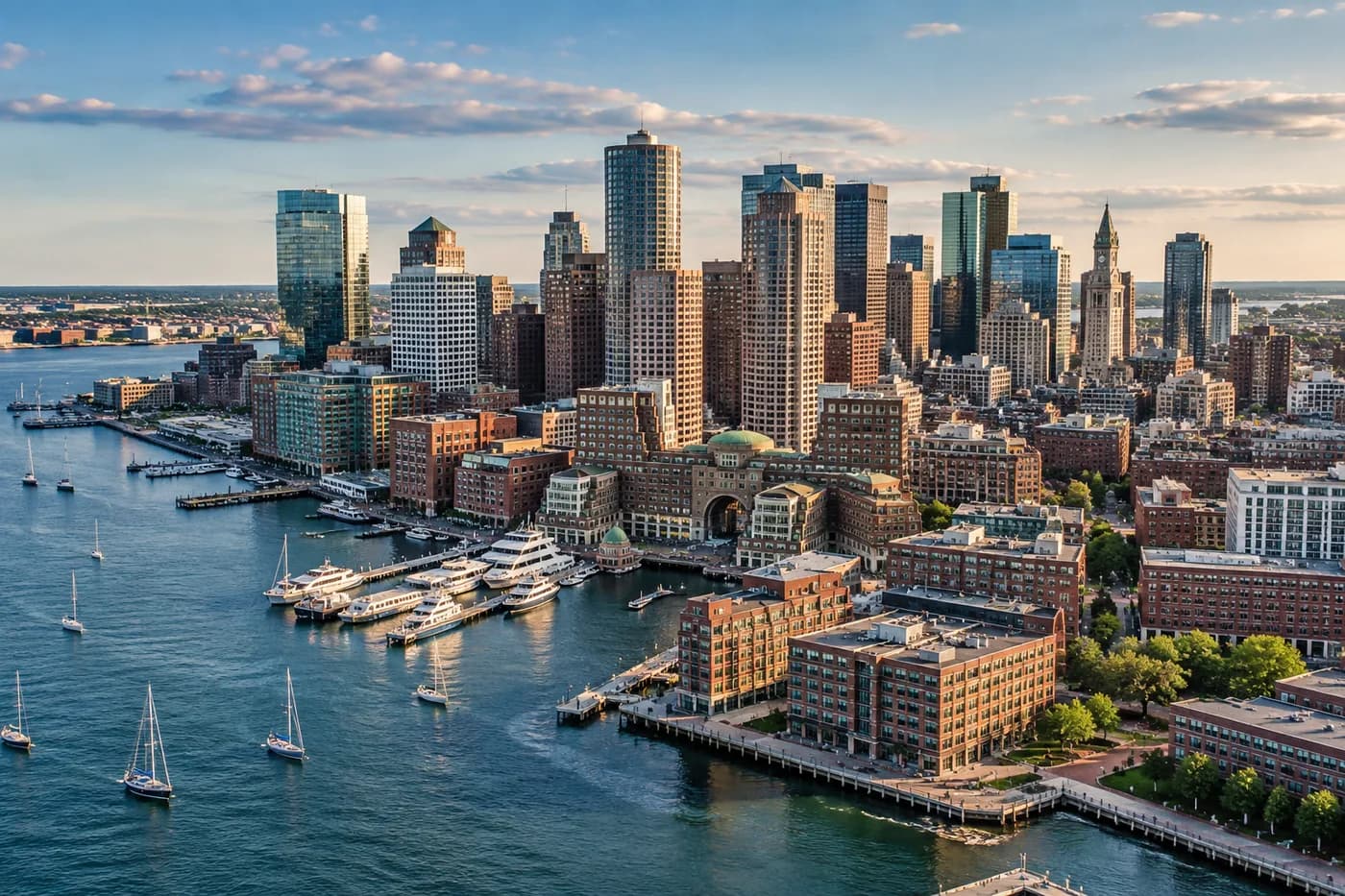
Humid Continental · urban setting
Read the local guide →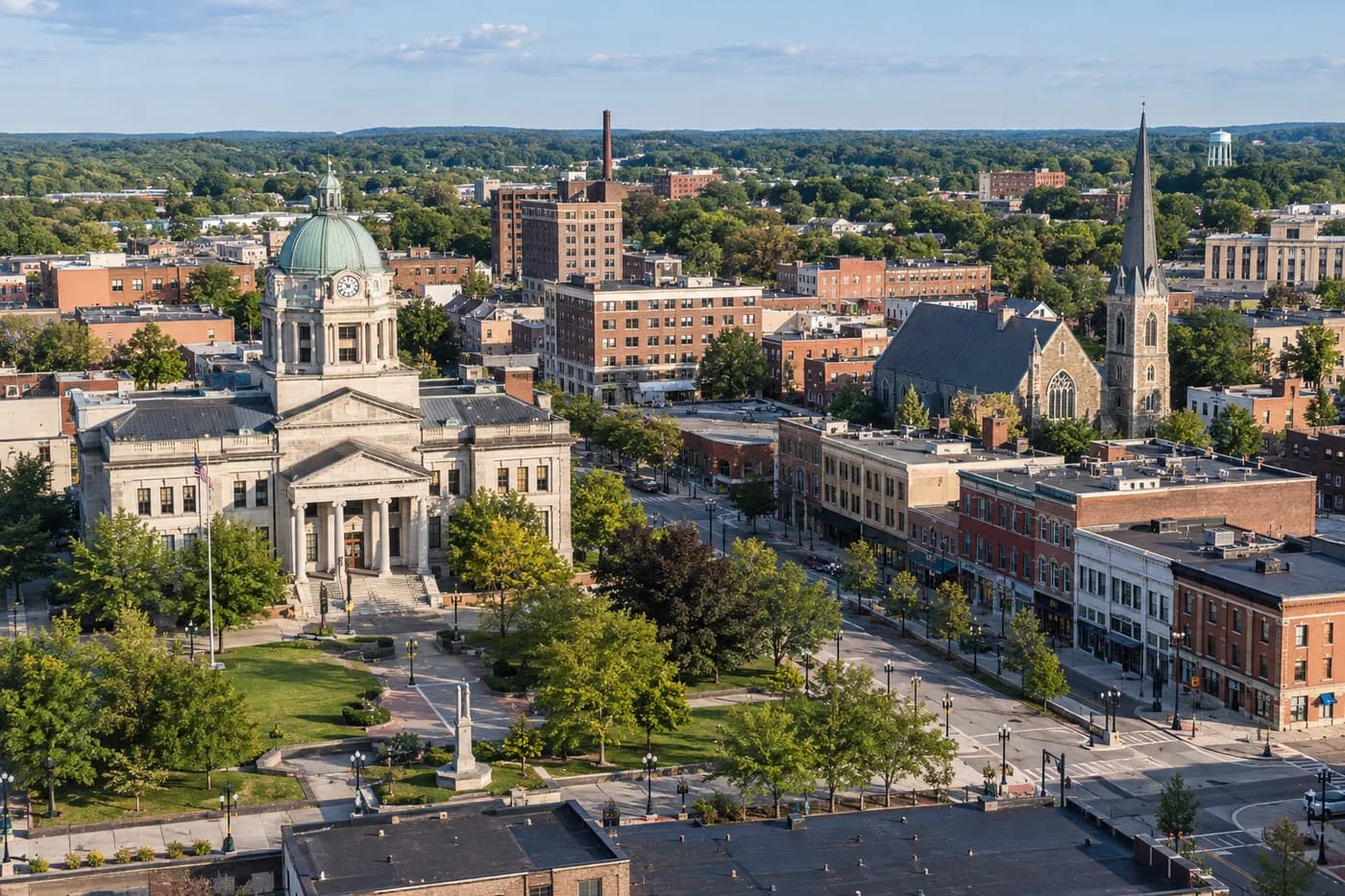
Humid Continental · urban setting
Read the local guide →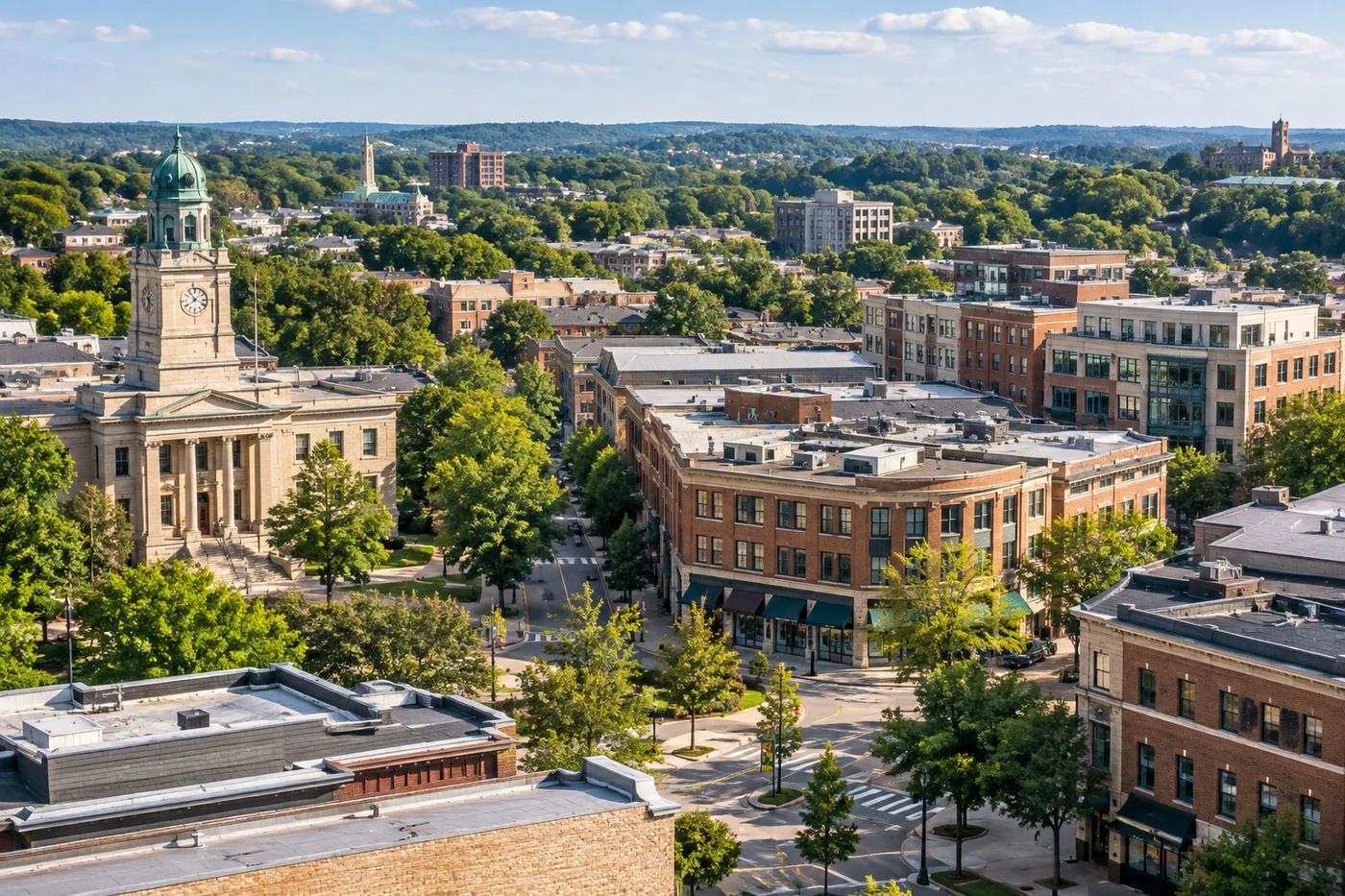
Humid Continental · urban setting
Read the local guide →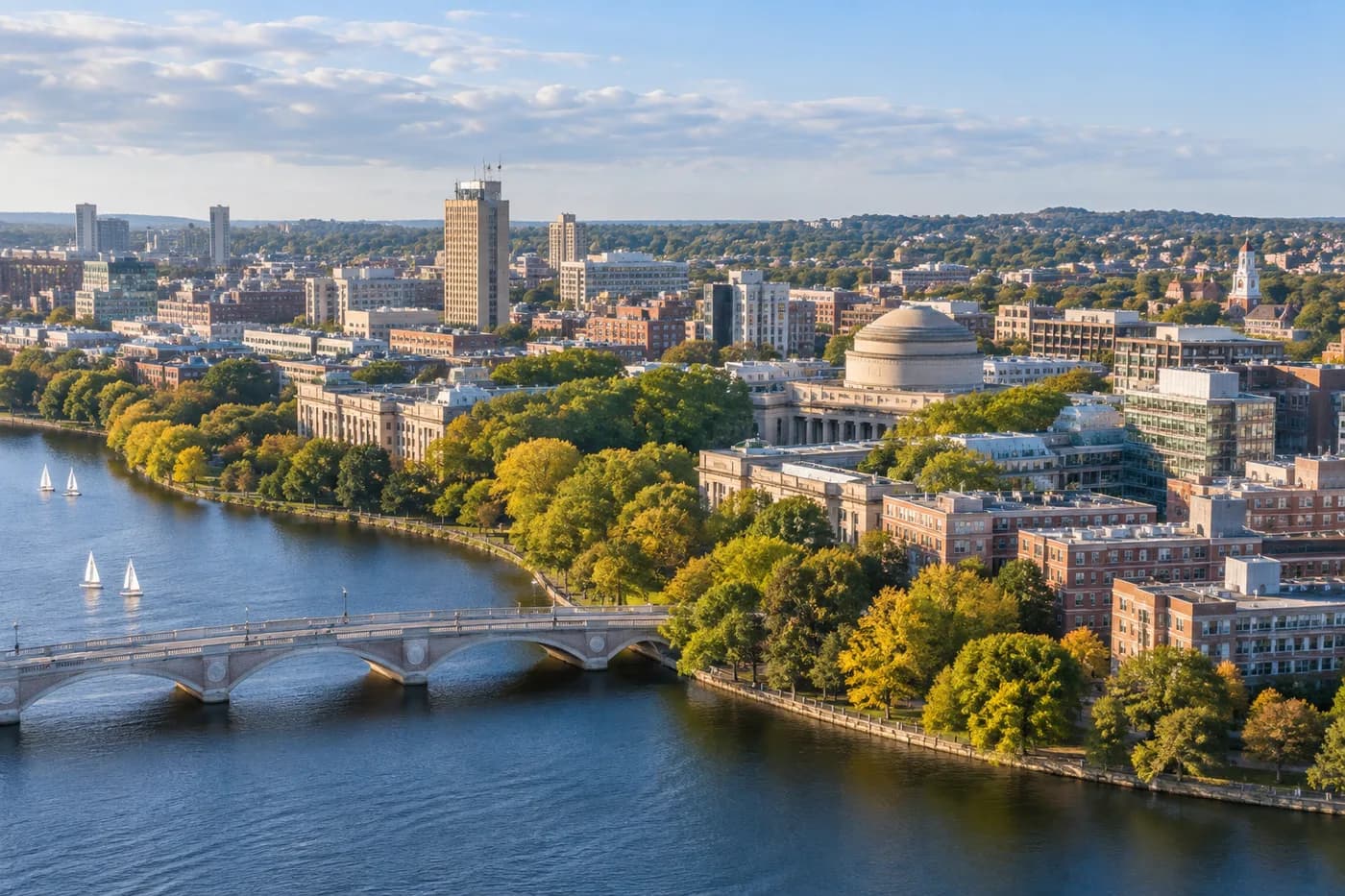
Humid Continental · urban setting
Read the local guide →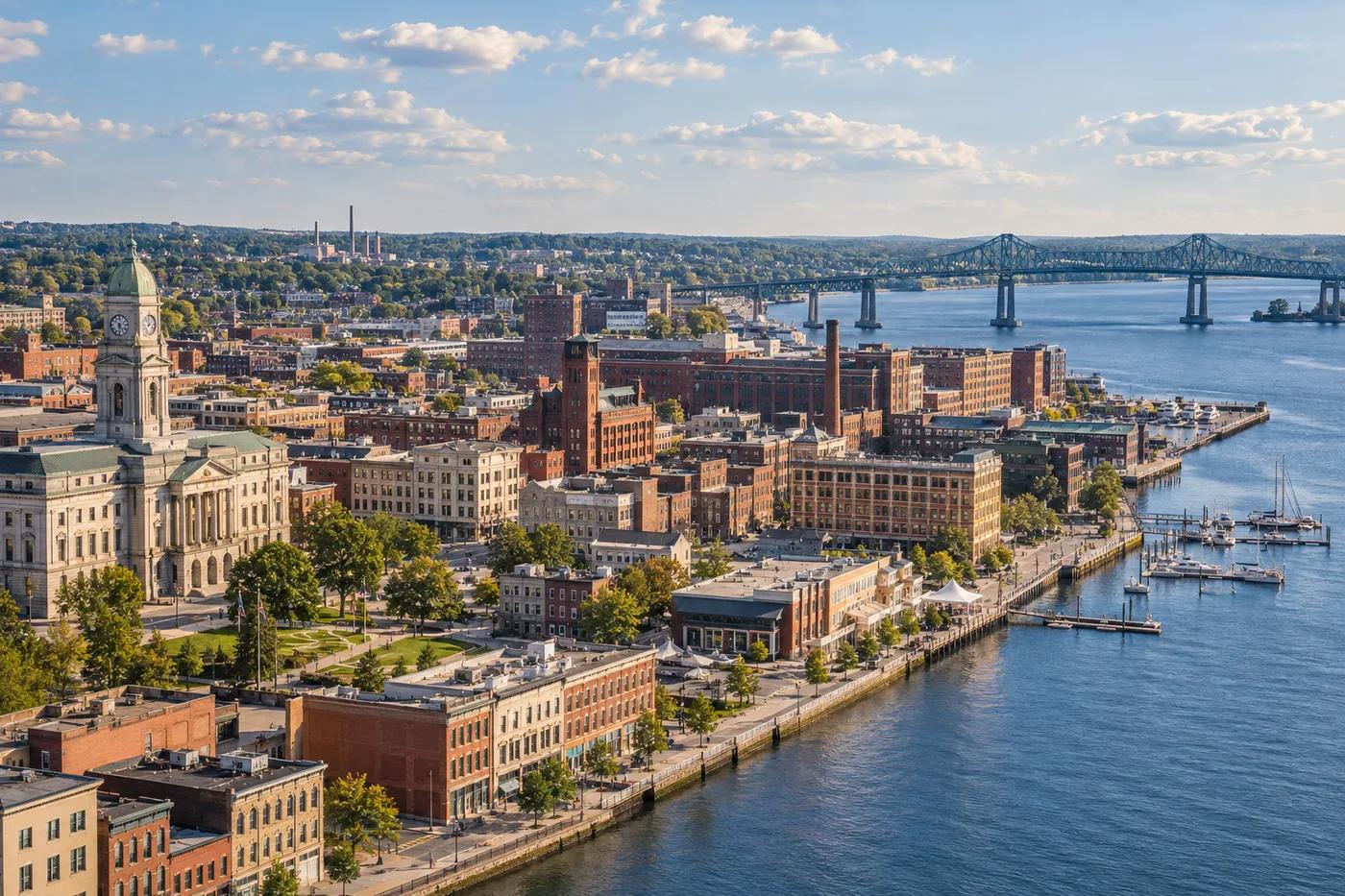
Humid Continental · urban setting
Read the local guide →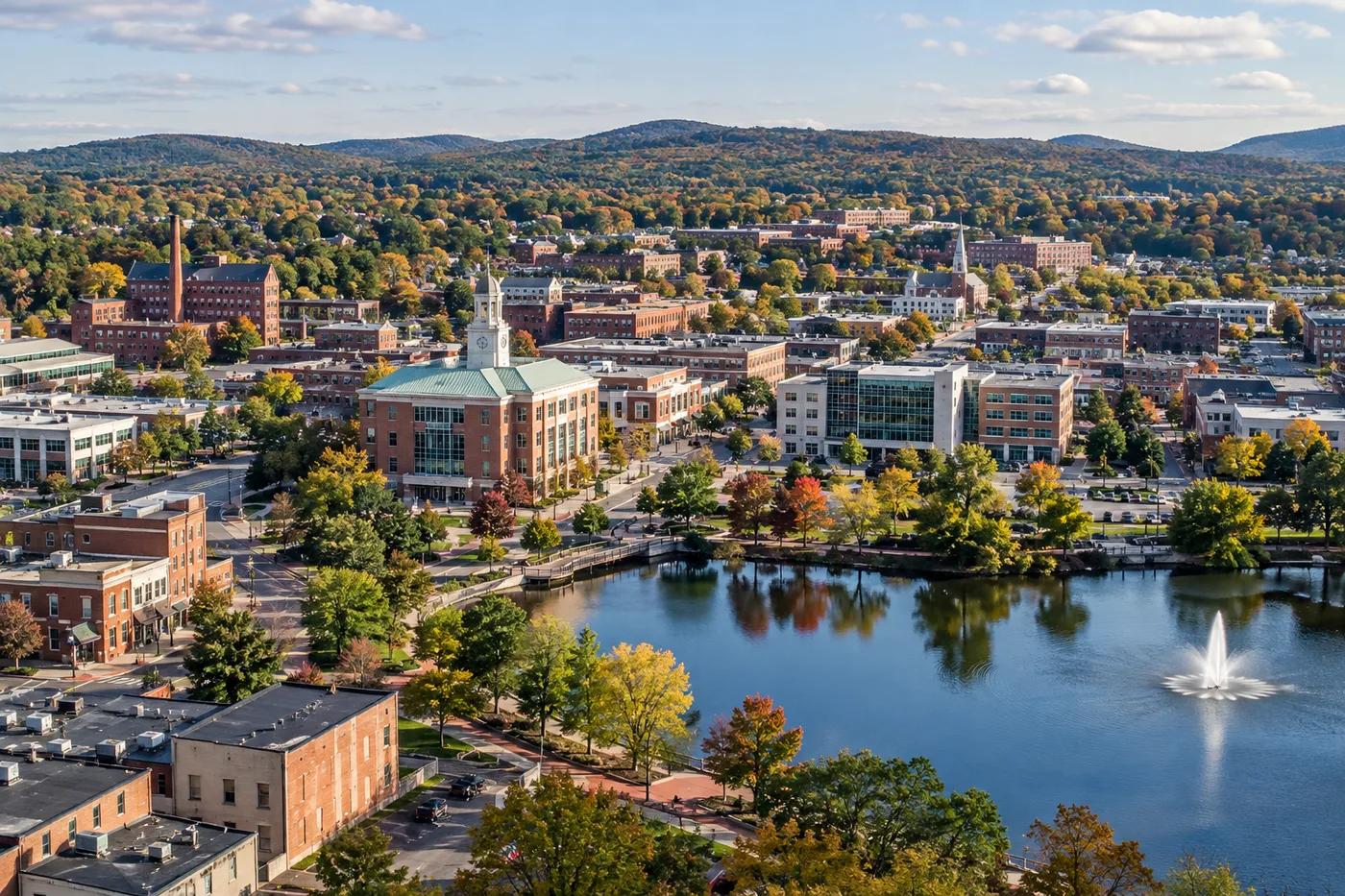
Humid Continental · suburban setting
Read the local guide →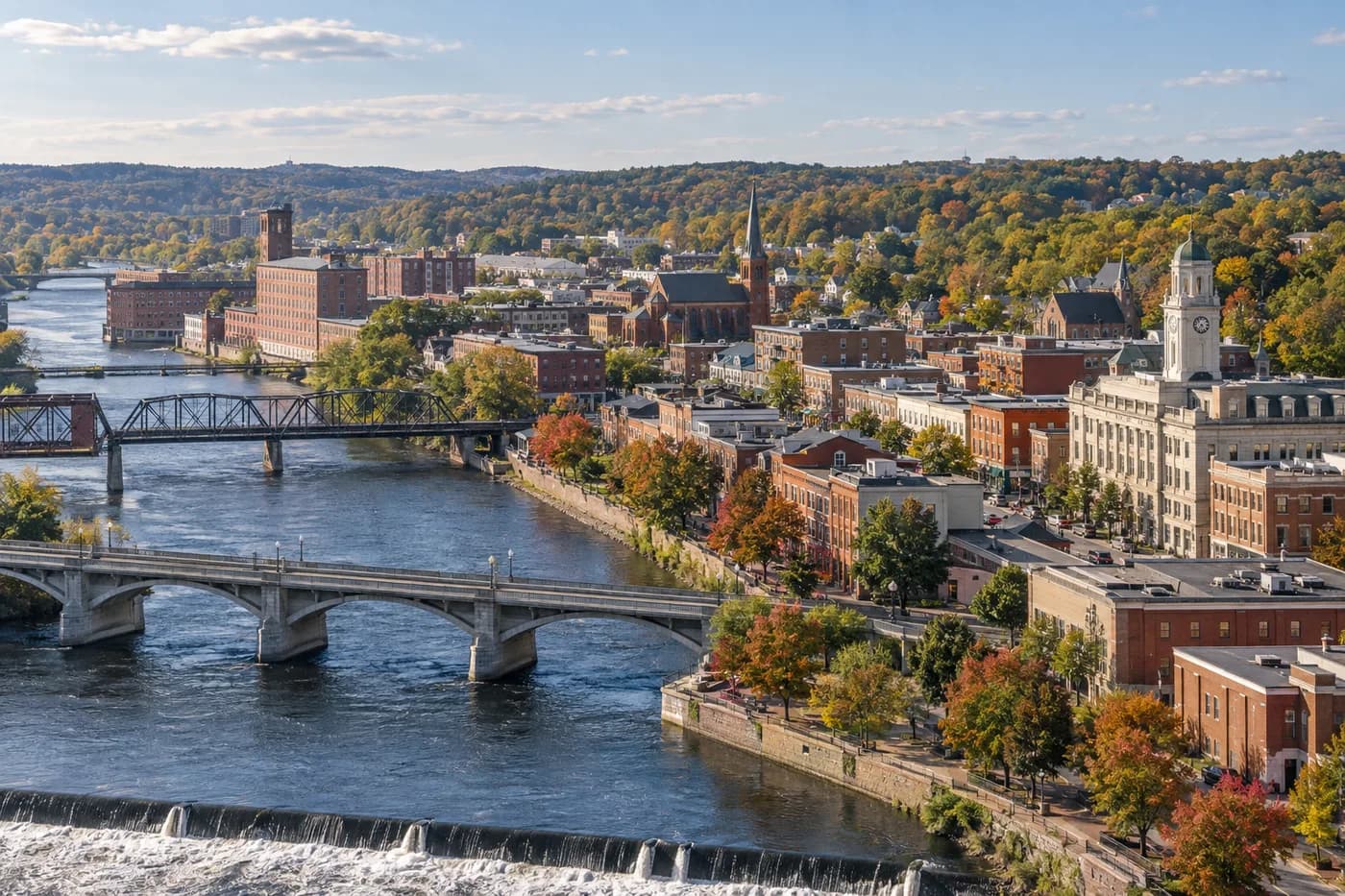
Humid Continental · suburban setting
Read the local guide →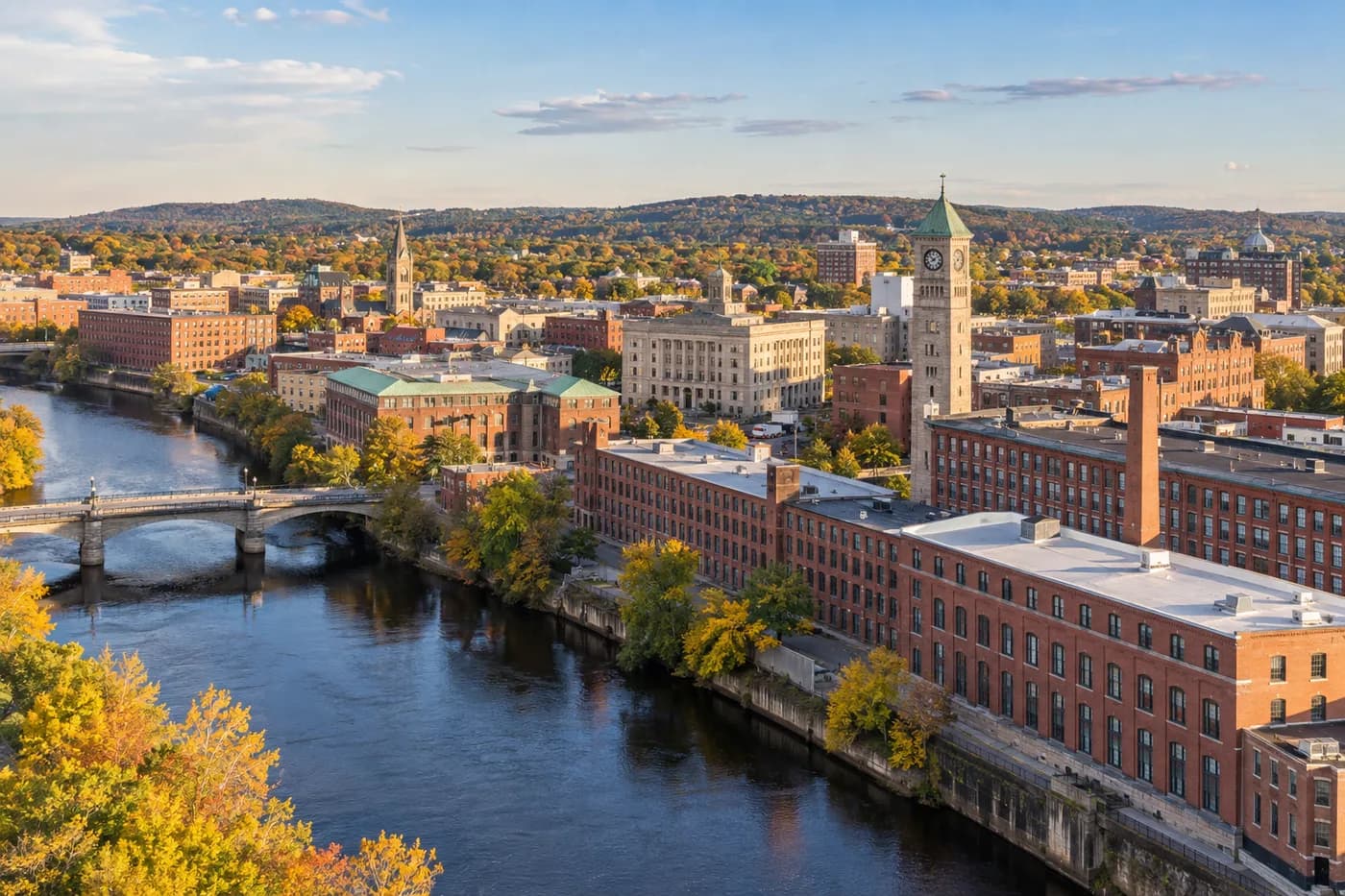
Humid Continental · urban setting
Read the local guide →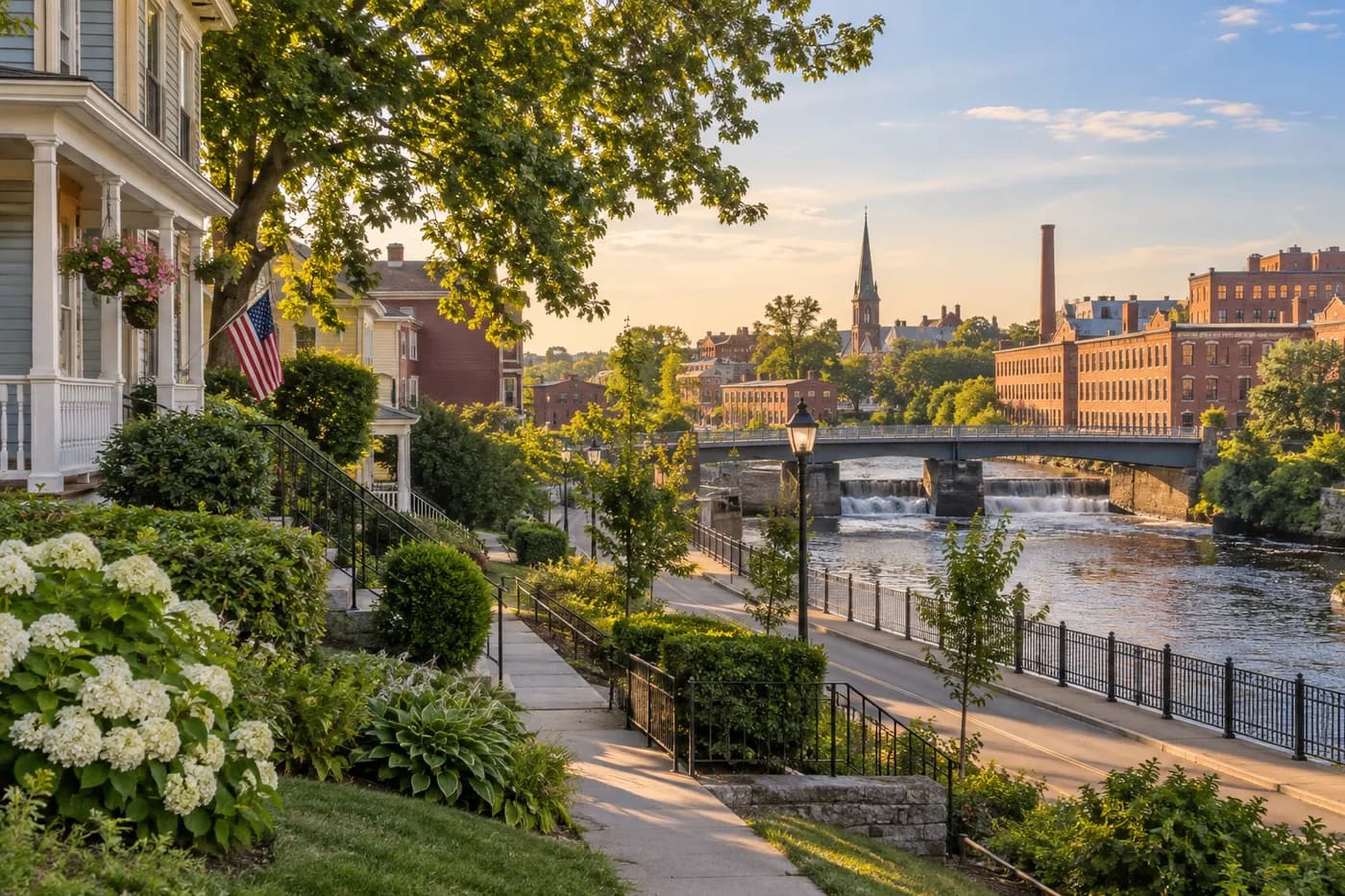
Humid Continental · urban setting
Read the local guide →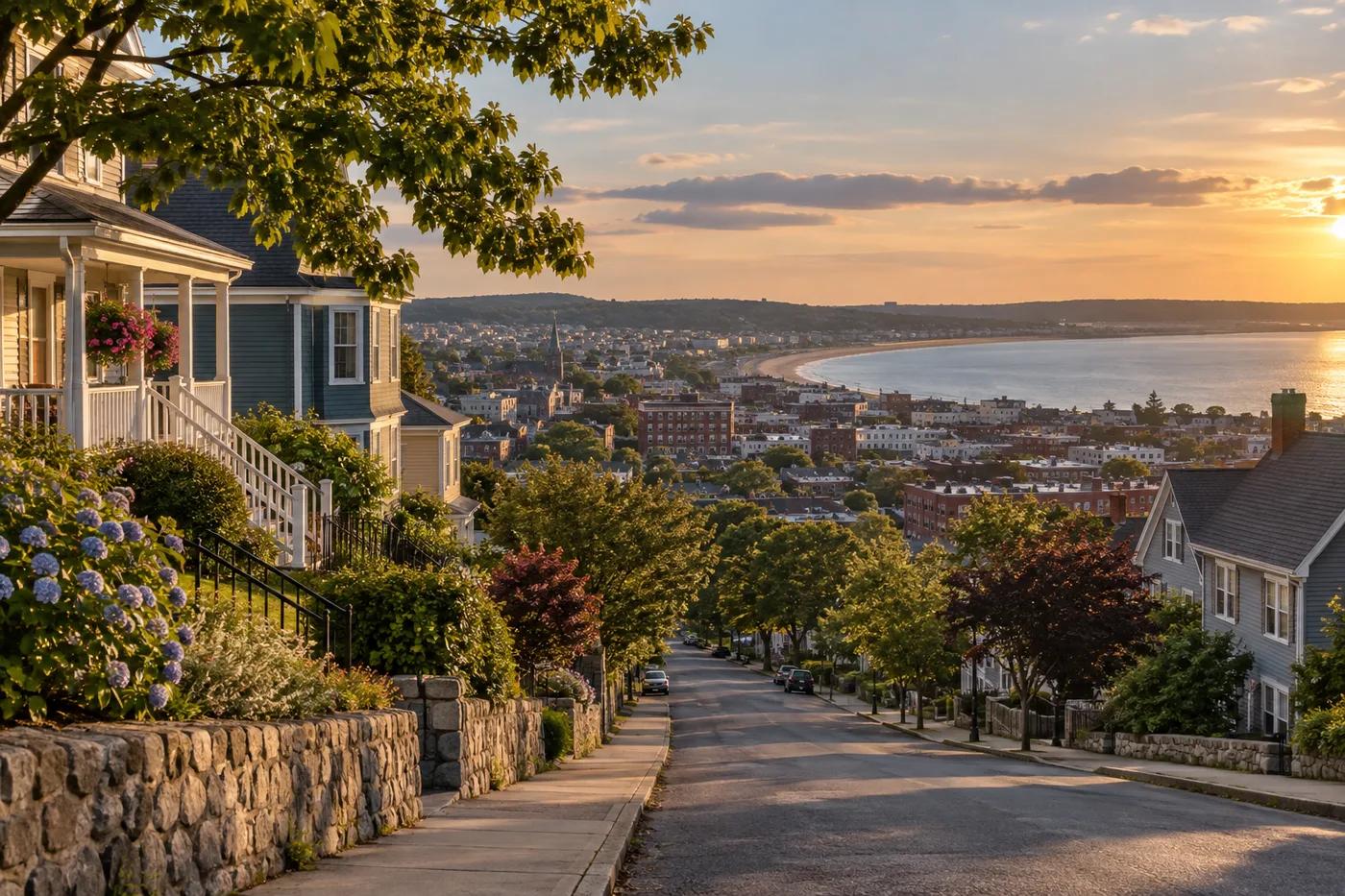
Humid Continental · urban setting
Read the local guide →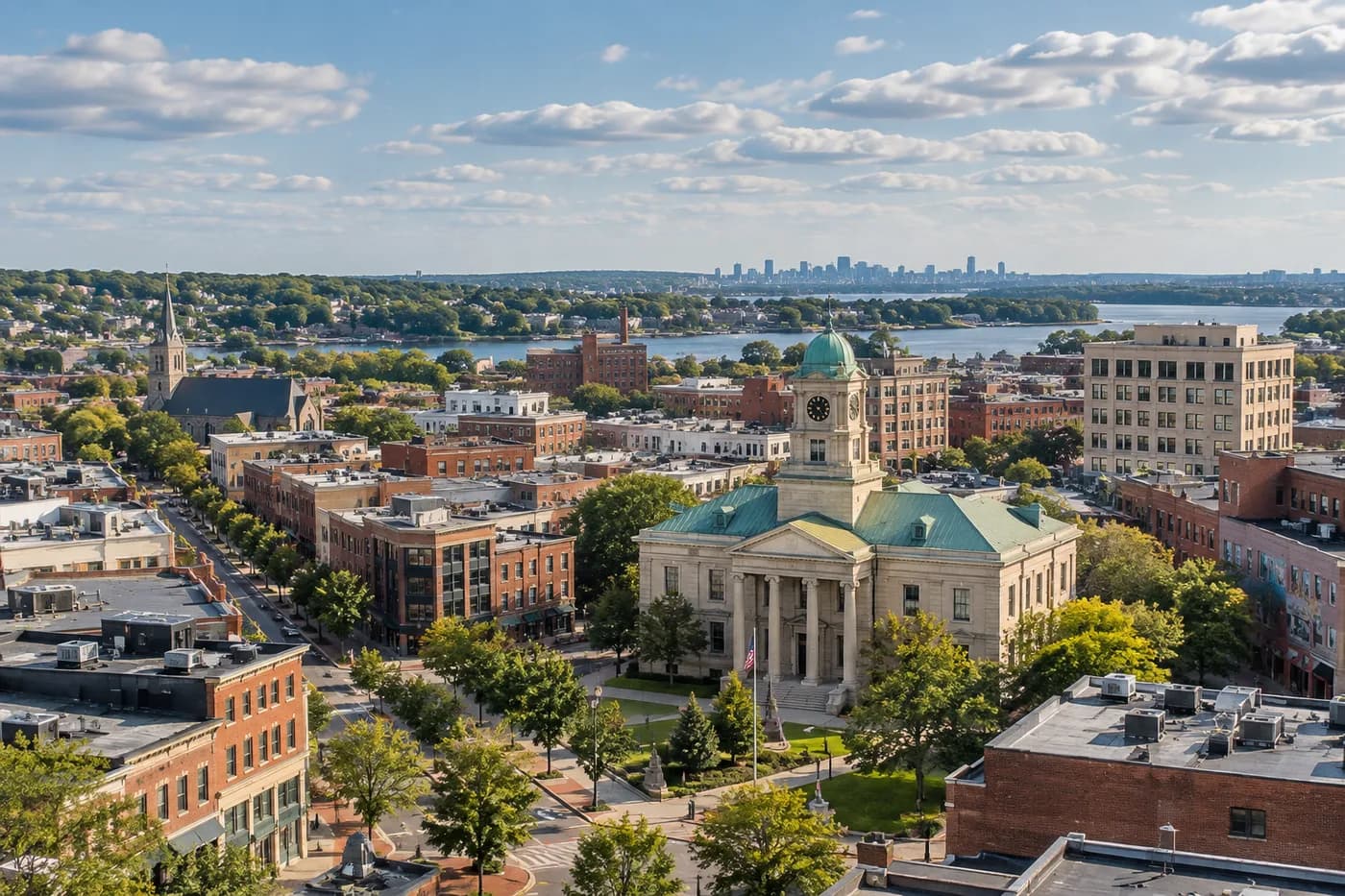
Humid Continental · urban setting
Read the local guide →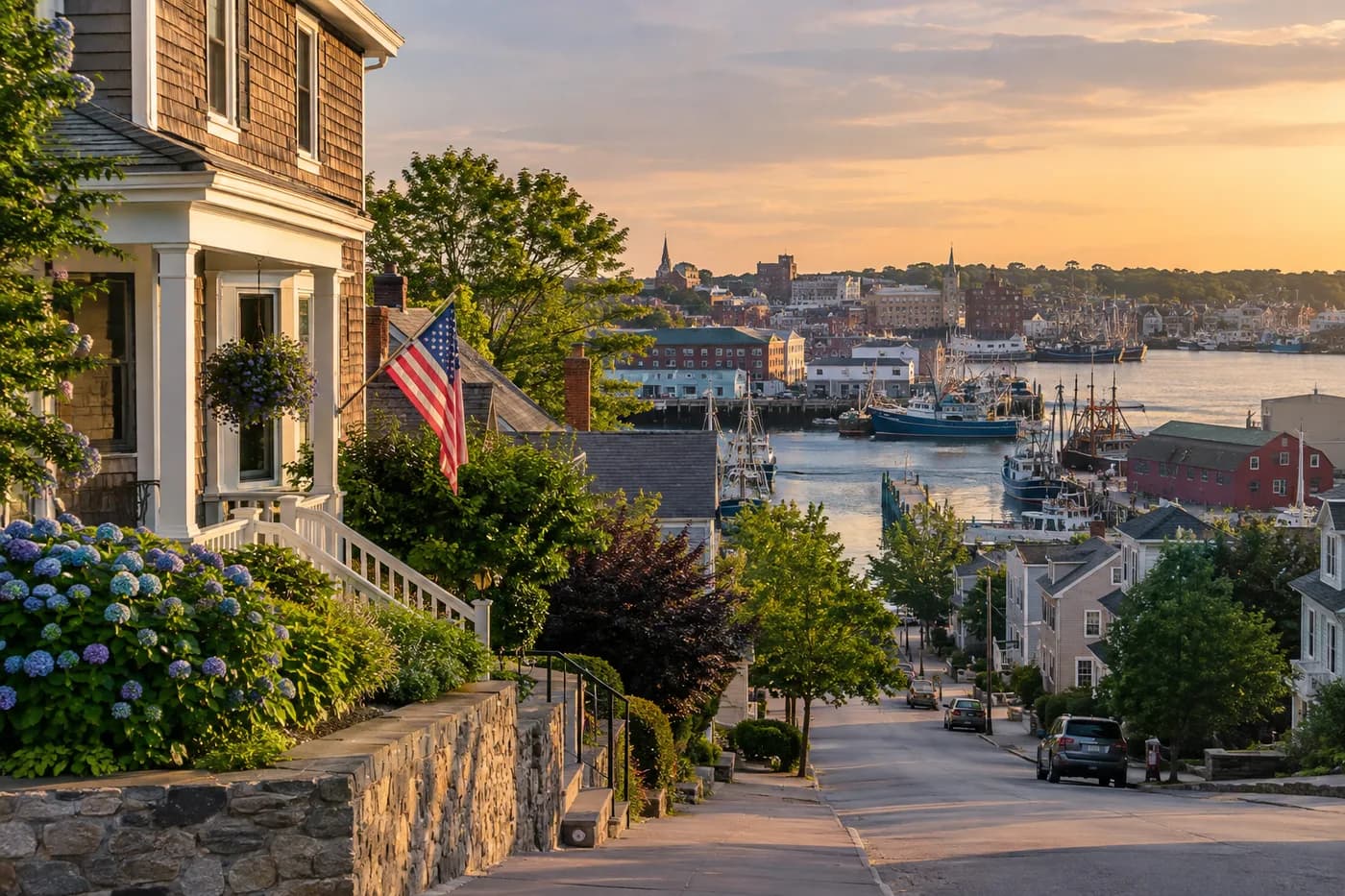
Humid Continental · urban setting
Read the local guide →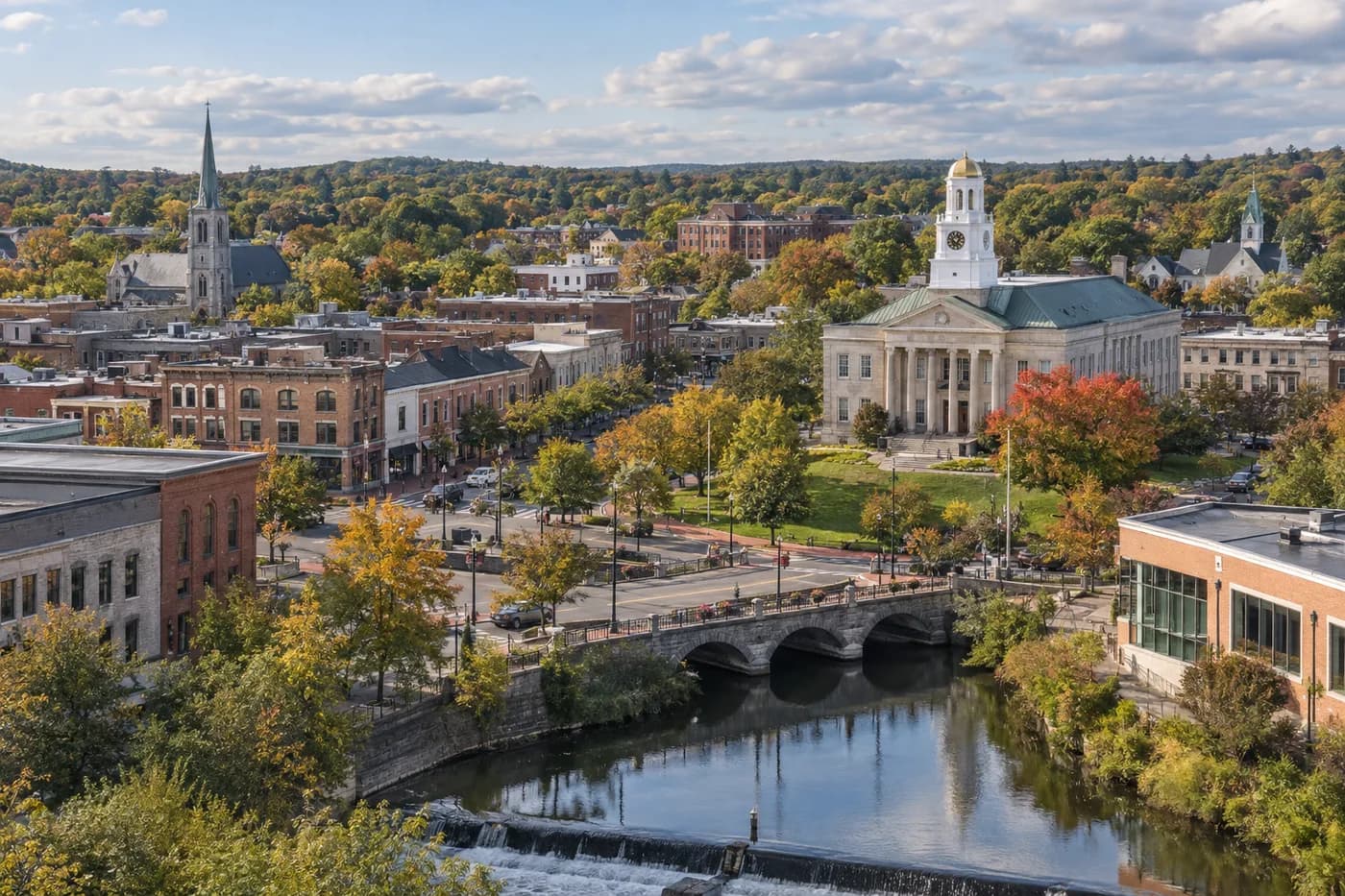
Humid Continental · suburban setting
Read the local guide →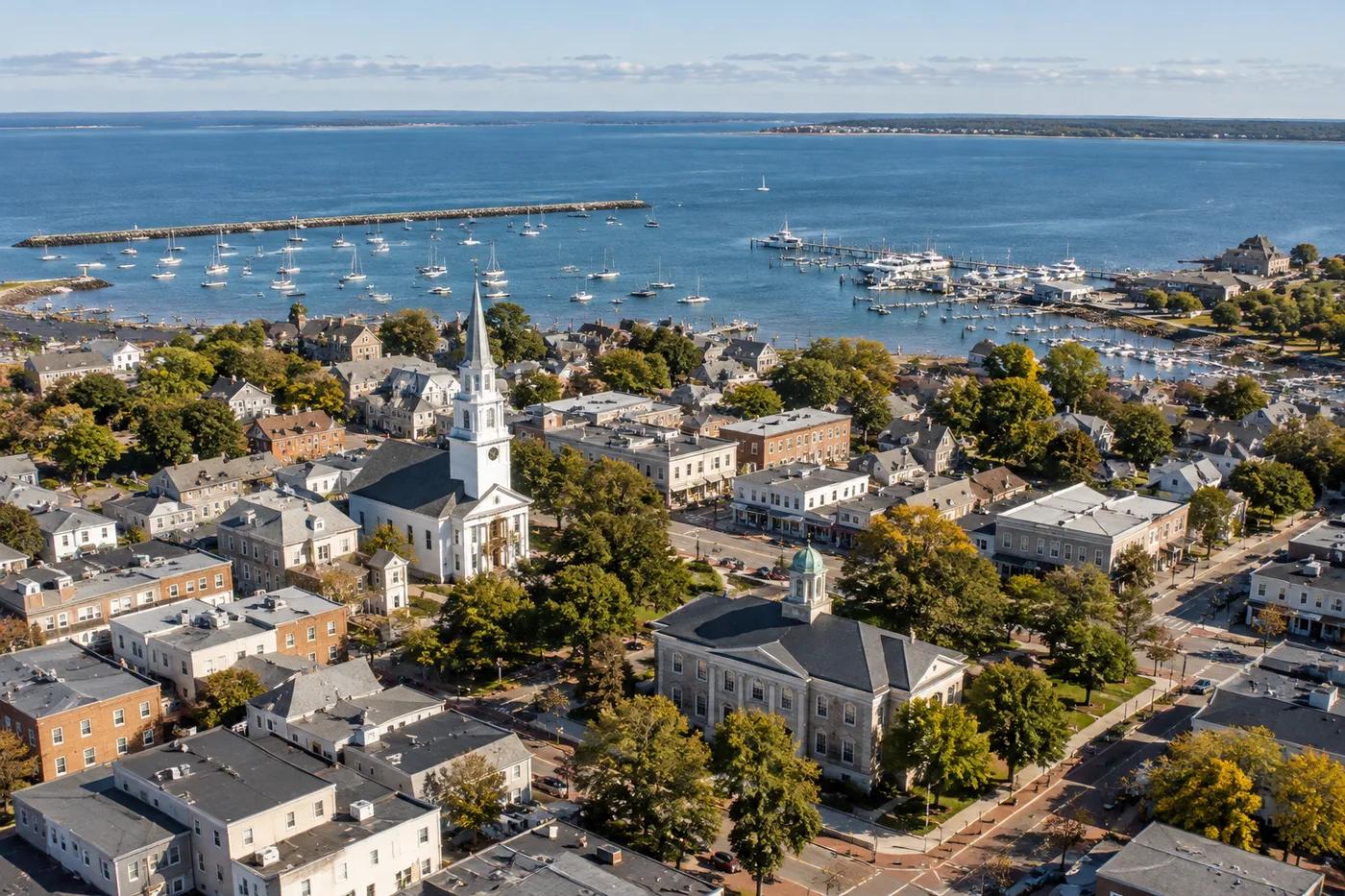
Humid Continental · suburban setting
Read the local guide →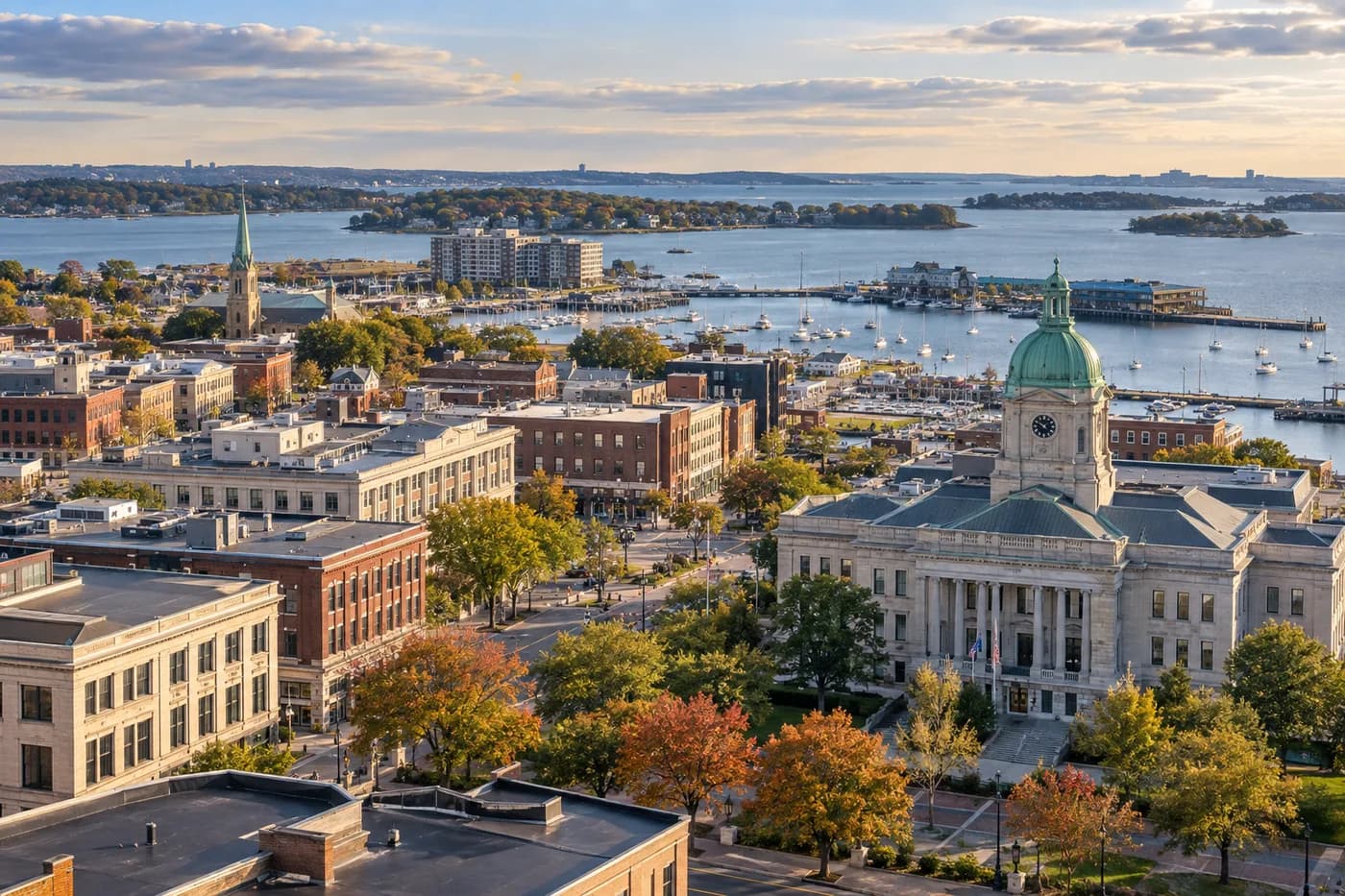
Humid Continental · urban setting
Read the local guide →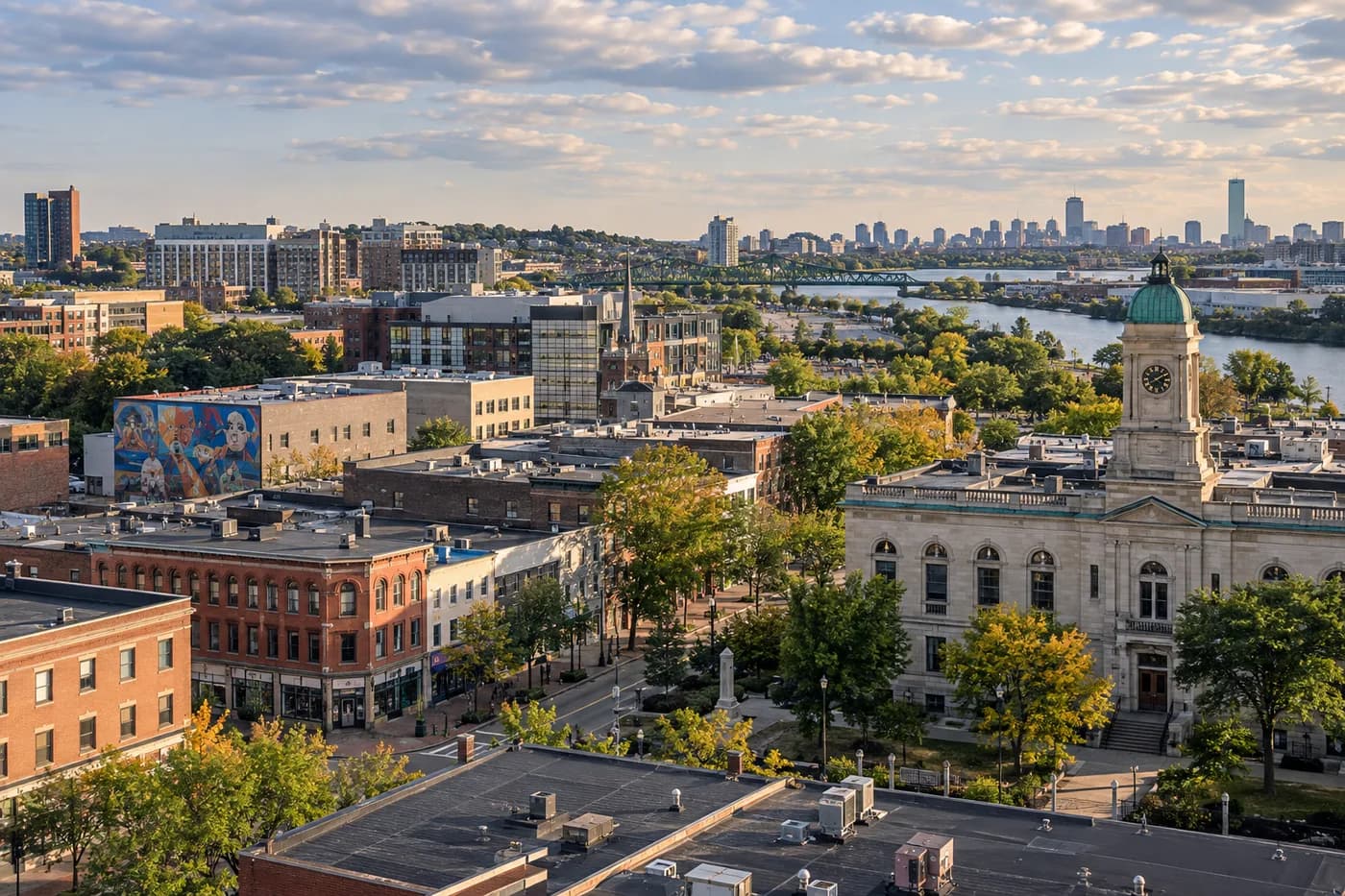
Humid Continental · urban setting
Read the local guide →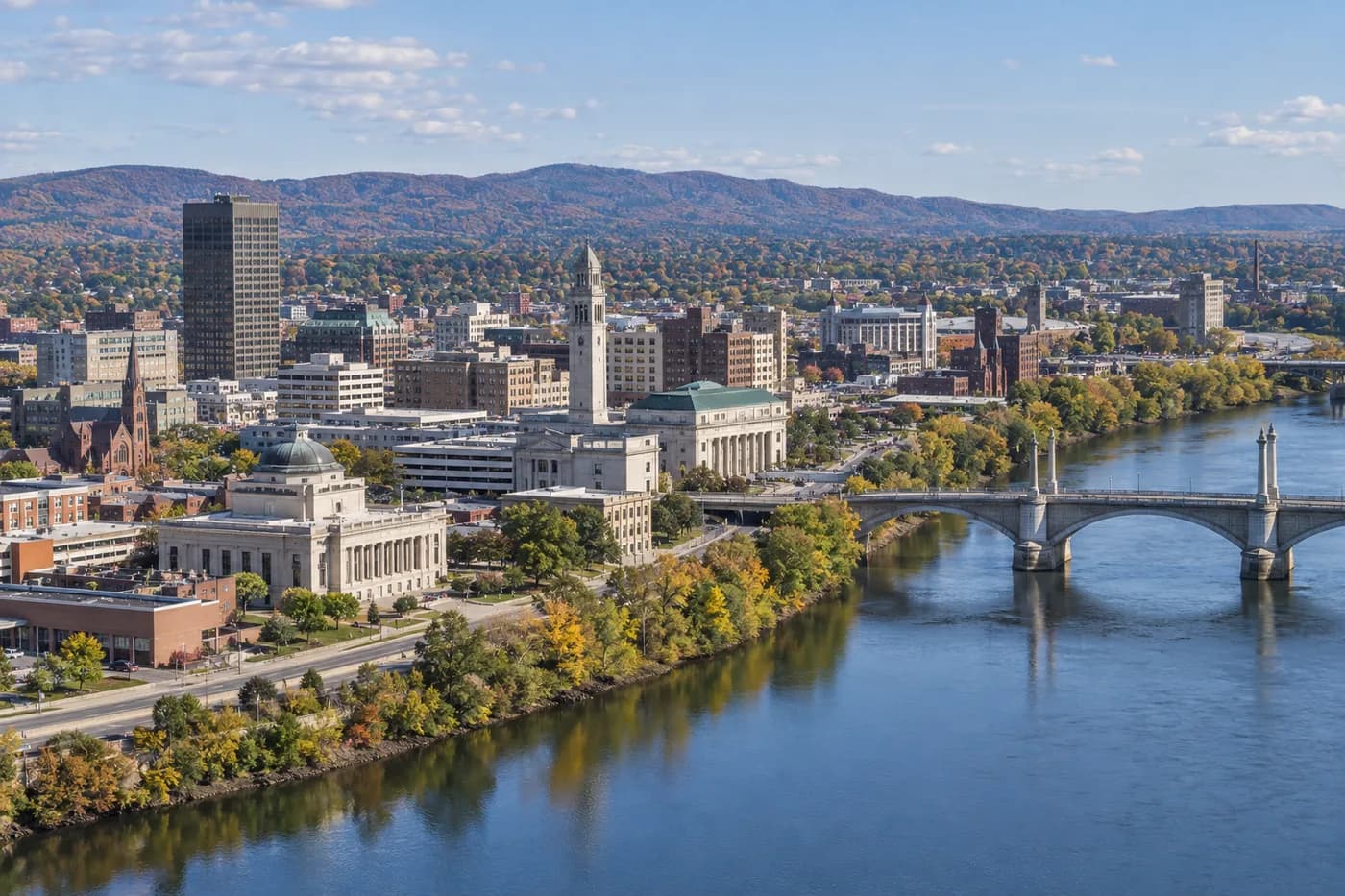
Humid Continental · urban setting
Read the local guide →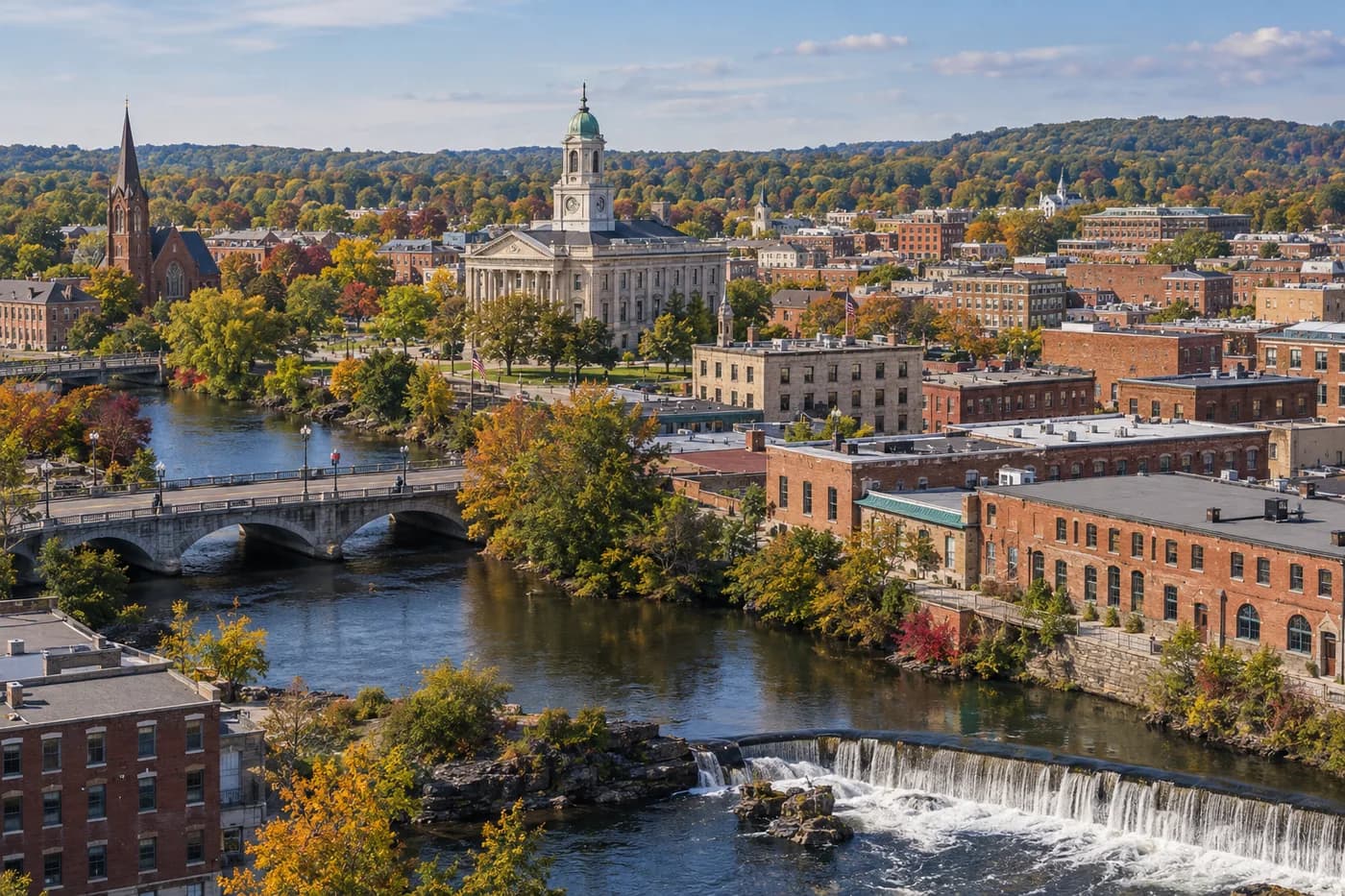
Humid Continental · suburban setting
Read the local guide →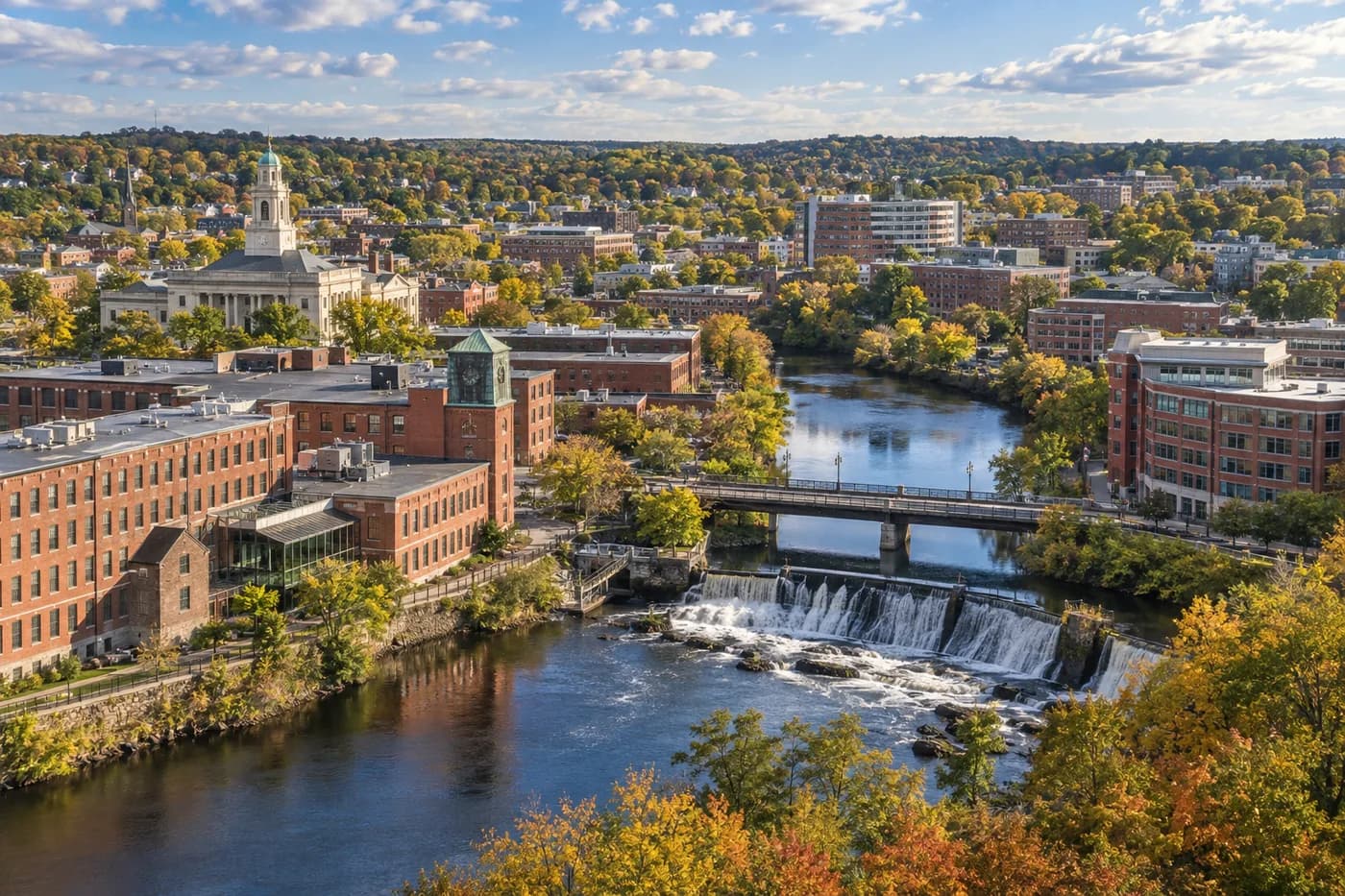
Humid Continental · urban setting
Read the local guide →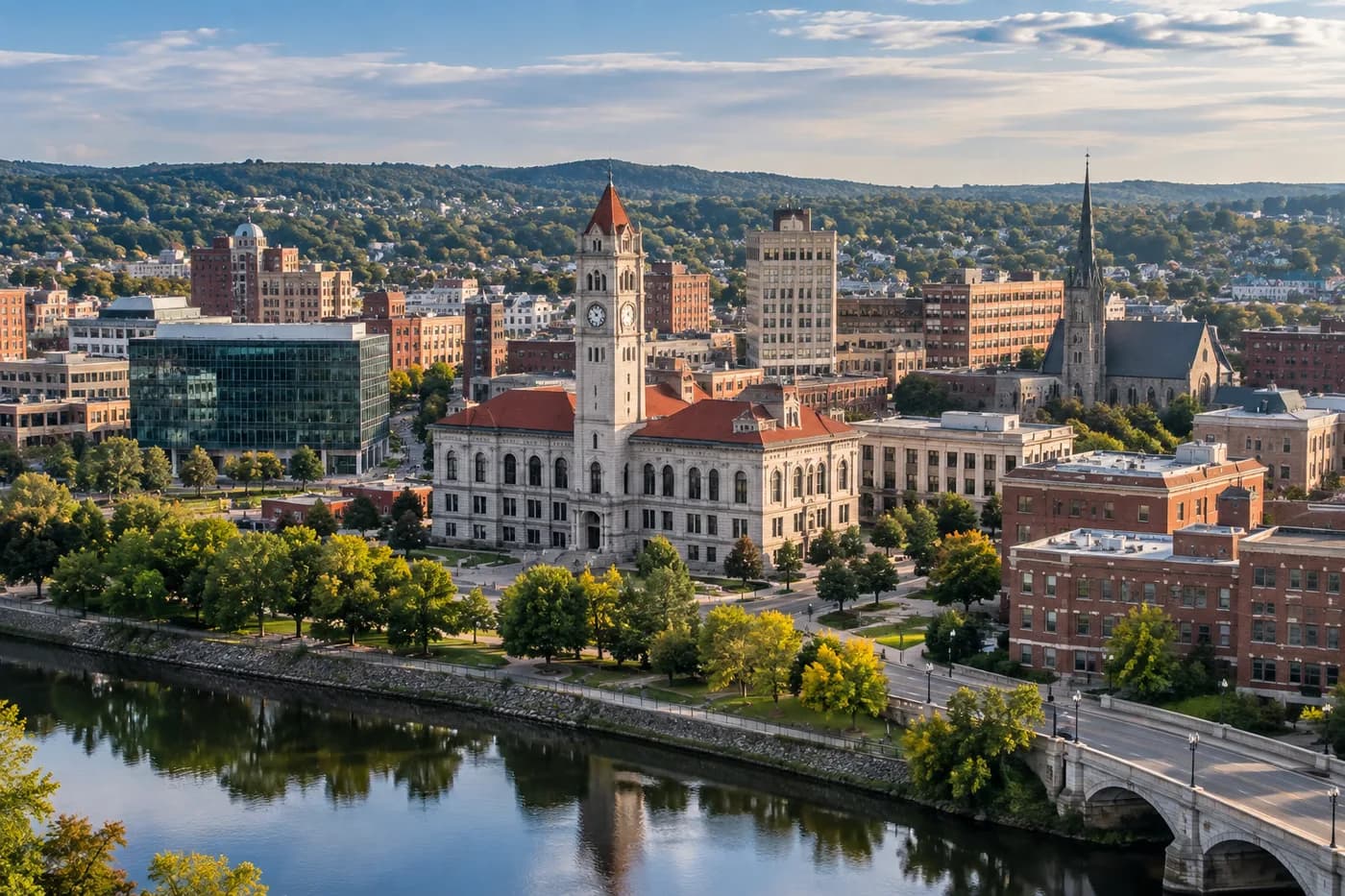
Humid Continental · urban setting
Read the local guide →
Humid Continental · urban setting
Read the local guide →