The short version
Wildlife control involves humane removal and exclusion of nuisance animals like raccoons, squirrels, opossums, skunks, and bats. The only permanent solution is to seal entry points after the animals are removed. a licensed professional for safe, legal handling.
- Wildlife intrusions peak in spring (denning/birthing) and fall (seeking warmth).
- Attics and chimneys are the most common entry points; check these first.
- Humane exclusion (sealing entry points) is the only lasting solution.
- State laws regulate wildlife handling; protected species need special permits.
- DIY removal often fails and can be dangerous; pros offer warranties.
Whether you hear scratching in the attic at night, see droppings in the garage, or notice chewed wires, you need practical, expert advice to resolve the problem safely and legally. This guide is for homeowners, property managers, and landlords dealing with unwanted wildlife. We cover identification, risks, removal options, and prevention—no fluff, just facts.
What to look for
Once inside, they create nests, leave droppings (guano), and can carry diseases like rabies, leptospirosis, and histoplasmosis (from bat droppings). Bats can squeeze through cracks as small as 3/8 inch. Raccoons are notorious for tearing off shingles to access attics, while squirrels gnaw through wood and wiring. Nuisance wildlife typically enters homes through gaps in roofs, soffits, chimneys, or foundation vents.
- 1Scratching, scurrying, or thumping sounds in the attic or walls, especially at night (raccoons, squirrels) or at dusk (bats).
- 2Droppings or urine stains near entry points, in attics, or around chimneys.
- 3Chewed wires, insulation, or wood; visible gnaw marks on structural beams.
- 4Damaged vents, soffits, or roof shingles—often a sign of raccoon entry.
- 5Strong, musky odors from urine, feces, or dead animals.
- 6Visual sightings of animals entering or exiting your home, especially near rooflines.
- 7Tracks or paw prints in dusty attics, crawl spaces, or around the foundation.
Why it’s worth acting soon
- Structural damage: Gnawed wires can cause electrical fires; raccoons tear insulation and ductwork.
- Health hazards: Rabies (raccoons, bats, skunks), leptospirosis (urine), histoplasmosis (bat guano), and roundworm (raccoon feces).
- Secondary infestations: Animal carcasses attract flies, beetles, and other pests.
- Breeding and population growth: A single female raccoon can produce 2-6 kits each spring; squirrels have 2 litters per year.
- Increased exclusion costs: The longer animals stay, the more damage they cause, raising repair bills.
Treatment options and typical costs
Live Trapping and Removal
$250-$600
Humane traps baited with food (e.g., fish for raccoons, peanut butter for squirrels) are placed near entry points. Animals are captured and relocated or euthanized per state regulations. Not all states allow relocation due to disease risks.
- Time
- 1-3 days, multiple visits may be needed
- Best for
- Single animals or small families; raccoons, opossums, skunks, and groundhogs.
Exclusion and Sealing
$500-$2,500
After removal, all entry points are sealed with heavy-duty materials like steel mesh, flashing, or caulk. One-way doors allow animals to exit but not re-enter. This is the only permanent solution.
- Time
- 1-2 days for sealing; follow-up inspection recommended
- Best for
- Preventing re-entry; all wildlife species; essential after any removal.
Bat Exclusion (Bat-proofing)
$500-$1,500
Bat cones or one-way valves are installed at roost exits. All other gaps are sealed. Exclusion must be done outside of maternity season (typically May–August) to avoid trapping flightless young.
- Time
- 2-4 days, with monitoring
- Best for
- Bat colonies in attics or eaves.
Raccoon Removal with Pup Extraction
$400-$1,000
During spring, female raccoons with young require special handling. Kits must be removed by hand (often from the attic) and reunited with the mother after exclusion. This is labor-intensive and must be done by a trained pro.
- Time
- 1-2 days, with follow-up
- Best for
- Raccoon mothers with litters in attics or chimneys.
Prices are typical published ranges. Ask what’s included before you compare quotes.
 Crawl spaces are a favorite den. Check the vent screens and the access door.
Understanding Wildlife Behavior and Entry Points.
Professionals schedule exclusions carefully—often using one-way doors to allow animals to leave but not return. If you seal an entry point during these times, you may trap young inside, leading to death, odors, and secondary pest problems. In fall, they look for winter shelter. Spring is the busiest time for wildlife control because animals seek safe places to give birth. Seasonal timing matters.
Health Risks Associated with Wildlife Infestations.
For example, bat bugs (similar to bed bugs) may migrate from a bat roost into living spaces. Secondary pests: Fleas, ticks, and mites from wildlife can infest your home. Effective wildlife control includes addressing these parasites, often with insecticide treatments or by removing the host animals.
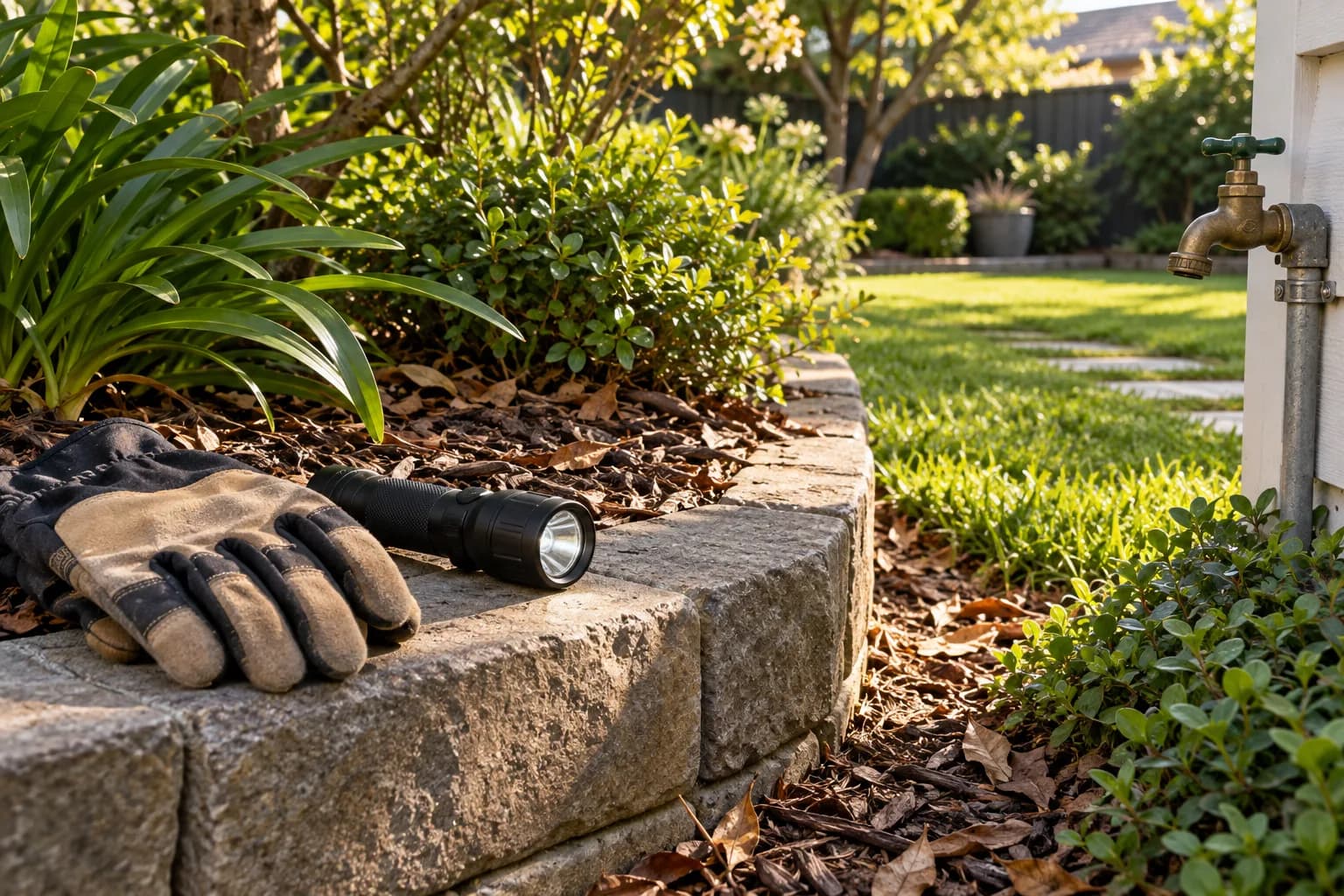 Brush, mulch and fallen fruit near the house give animals cover and food. Keep the edges tidy.
Legal and Ethical Considerations.
They will return for free if animals break in again through sealed points. workmanship warranties: Reputable companies offer warranties on exclusion work, typically 1-5 years. This is a standard in the industry and protects your investment.
What affects the price
- Animal species and number of animals (e.g., bat colonies cost more than a single squirrel).
- Location of infestation (attic vs. crawl space, height of entry point).
- Ease of access (roof pitch, obstacles, multi-story homes).
- Damage repair needed (insulation replacement, wire repair, structural fixes).
- Time of year (spring births may require extra care; winter removals are harder).
- Local labor rates and competition; urban areas tend to be higher.
- Permitting fees for protected species (e.g., bats, migratory birds).
📊
What is the most common wildlife problem in your area?
When to call for help
many local providers offer a no-charge inspection and a workmanship warranty—just call Call a professional if you hear persistent noises in walls or attic, see droppings or damage, or suspect a bat colony. If the animal is a protected species (like many bats), only a licensed pro can handle it legally. Also, if you have small children, pets, or health concerns (e.g., immunosuppression), avoid DIY.
What you can do yourself
DIY wildlife control often fails because homeowners don't know which entry points to seal or how to handle animals safely. Sealing a raccoon inside an attic can cause it to break through drywall. Trapping without knowledge of local laws can lead to fines (e.g., relocating a raccoon is illegal in many states due to rabies concerns). Professionals use exclusion techniques, one-way doors, and have liability insurance. For simple cases like a single squirrel in a fireplace, a professional is still recommended to ensure no young or secondary entry points are missed. The cost of DIY repairs after a botched job usually exceeds the cost of hiring a pro upfront.
Where you live matters
Wildlife control varies significantly by region. In the Northeast, raccoons and gray squirrels are the top pests; black bears occasionally enter garages or sheds. The Midwest sees more groundhogs and skunks under decks. In the South, opossums and armadillos are common diggers; bats are a year-round issue due to mild winters. The West Coast has roof rats, especially in coastal areas, and tree squirrels like the western gray. In the Rocky Mountains, pine squirrels and raccoons are problematic. Desert regions face pack rats (woodrats) and occasional snakes. Regardless of location, the principles of exclusion and humane removal apply, but local species and laws dictate specific methods. Always consult a local pro who knows the regional fauna and regulations. Service is available statewide.
Simple ways to keep wildlife away
- Install chimney caps with heavy-duty mesh and secure all roof vents.
- Trim tree branches at least 8 feet from your roofline to prevent access.
- Seal gaps around pipes, cables, and vents with steel wool or copper mesh (rodents can't chew through).
- Secure garbage cans with locking lids and store pet food indoors.
- Remove bird feeders or place them away from the house to avoid attracting squirrels and raccoons.
- Inspect your attic and crawl space annually for signs of entry or damage.
- Use motion-activated lights and sprinklers to deter nocturnal animals.
 Metal mesh keeps animals out of vents for good. Foam and light screen won't hold.
Did you know?
Opossums are largely immune to most snake venom and eat thousands of ticks per season, helping reduce Lyme disease risk.
Squirrels plant thousands of trees a year by forgetting where they bury nuts, contributing to forest regeneration.
Raccoons have highly dexterous front paws with a sense of touch similar to humans, allowing them to open latches and jars.
Questions people ask
What is the first thing I should do if I suspect wildlife in my attic?
They will identify the species, locate entry points, and determine if there are young. Sealing animals inside can cause them to break through walls or die, creating odor and secondary pest issues. Do not seal any openings yet. a professional for an inspection.
Is it legal to trap and relocate raccoons or squirrels myself?
Even if allowed, relocated animals often die because they are unfamiliar with the area and must compete with established residents. Always check local laws before attempting DIY removal. In most states, you need a permit to trap or relocate wildlife. Many states prohibit relocation due to rabies and other disease risks.
How do I know if bats are living in my attic?
Bat droppings (guano) look like coffee grounds and accumulate in piles. You may also see small, greasy rub marks around entry holes. Signs include seeing bats flying out at dusk, squeaking sounds from the attic, dark stains (guano) on walls or ceilings, and a strong ammonia smell.
Can I use mothballs or ultrasonic devices to repel wildlife?
Ultrasonic devices may temporarily startle animals but rarely solve the problem. The only effective method is exclusion—sealing all entry points. No. Mothballs are ineffective and illegal to use outdoors or in attics for wildlife control; they are pesticides regulated by the EPA.
What should I do if I find a baby raccoon or squirrel?
If the baby appears healthy and is not in immediate danger (e.g., road), leave it alone—the mother is likely nearby. If it's injured or orphaned, contact a licensed wildlife rehabilitator. In many states, it's illegal to possess wildlife without a permit. Do not touch it. Keep pets and children away.
How long does a typical wildlife exclusion warranty last?
Some companies also offer annual inspections as part of the warranty. Always ask about the warranty before hiring. Reputable companies offer a 1-5 year warranty on exclusion work. This means if animals break in again through a sealed point, they will return for free to fix it.
How common are nuisance wildlife problems around suburban homes?
In Homeowners, nuisance wildlife is usually removed by trapping, then the entry points are sealed so the next animal cannot move into the same spot. In Homeowners, because many animals are protected by state rules, removal has to be done legally, and a written plan should spell out removal, exclusion, and cleanup.
Sources (10)
The facts in this article come from the public sources listed above. Every home is different, so ask the company you talk to about pricing and what’s included. Published by Wildlife Exterminator · Updated September 11, 2026 · How we write these guides